
You’ve spent endless hours building your website and polishing your content… but when you see it sitting quietly on the second page of Google, it makes me angry. Trust me, I’ve been through this more times than I can count!
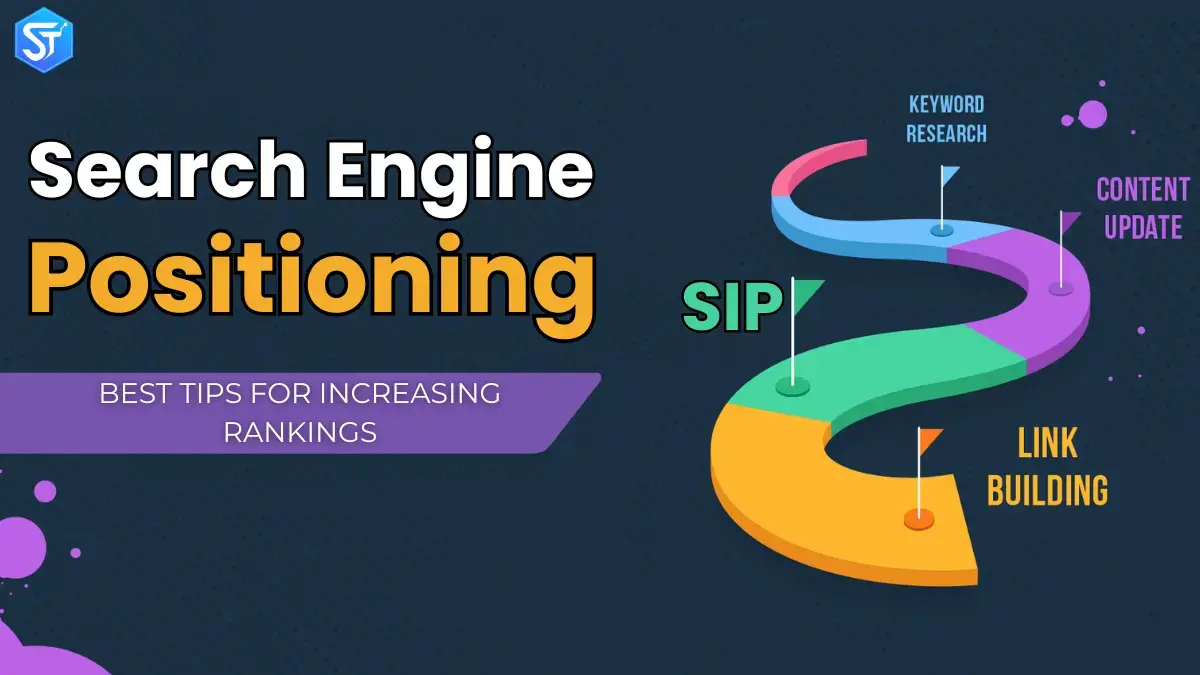
But just because your page appears on the second page of search results doesn’t mean it has to stay there forever. Search Engine Positioning is a focused approach that helps you fine-tune your pages and move them towards the top spots in the rankings.
Do you want to boost your pages using search engine positioning? In this guide, you’ll learn what search engine positioning really means, why it’s important, and how you can improve your chances of getting that valuable top spot on search engines.
What Is Search Engine Positioning?
Search engine positioning means continuously improving a website so that it ranks high in search results for selected keywords. While traditional search engine optimization (SEO) involves a comprehensive strategy to increase overall organic visibility, search engine positioning focuses on obtaining accurate ranking positions for specific search terms.
This method is not just about increasing visitors – it is about attracting qualified users who are already looking for your services or solutions. When you align your pages with real user intent, your website becomes a trusted source for people looking for relevant answers.
To perform well in search engine positioning, businesses should follow these steps:
- Conduct keyword research: Find the valuable keywords that your audience is typing.
- Optimize on-page elements: Adjust titles, meta tags, and page content with those keywords.
- Focus on content quality: Publish meaningful, helpful, and authoritative information.
- Use SEO tools: Tracking tools help monitor rankings and improve your approach.
Working with a skilled SEO agency in the USA like Santhya Infotech can help you implement these methods properly and keep your business competitive in search rankings.
Why Search Engine Positioning Matters

Now that you have a quick idea of what search engine positioning means, let’s look at why it’s so valuable.
- Increased visibility: Appearing on the first page of Google is extremely important; research proves that over 90% of people never check the next page.
- High click-through rate (CTR): The first three organic spots attract over half of all clicks.
- Increased credibility: Strong positioning reflects credibility and builds trust with your audience.
- Targeted traffic: It brings in visitors who actually care about what you offer.
For example, in a highly competitive market like the United States, where brands are constantly fighting for digital attention, using dedicated SEO services in the USA helps businesses gain the edge they need to stand out.
How Search Engines Decide Website Rankings
Search engines like Google use smart systems to decide which websites to show first. These systems check many things before giving a page the top spot. When you understand these basics, you can easily improve your website and rank better.
Main Ranking Factors
| Ranking Factor | What It Means | Impact Level |
|---|---|---|
| Content Match | Your content clearly answers what people search for | High |
| Backlinks | Other trusted websites link to your page | High |
| Technical SEO | Your site loads fast, works on mobile, and stays secure | High |
| User Experience | Visitors find your site easy to use and stay longer | Medium-High |
| On-Page SEO | You use proper titles, headings, and keywords | Medium |
| Internal Links | Your pages link to each other in a smart way | Medium |
| Domain Trust | Search engines trust your website over time | Medium-High |
Search engines check whether your page content, titles, descriptions, and keywords match what users want. They also look at links from other websites to see if people trust your site. A fast website that works well on phones helps a lot. When you link your pages properly, search engines understand your site better and rank it higher.
Benefits of Search Engine Positioning: A Winning Inning for Your Online Growth
Strategic search engine positioning plays a key role in building a strong digital presence and keeping your online growth steady throughout the inning.
Here’s what it offers:
1. Better brand visibility
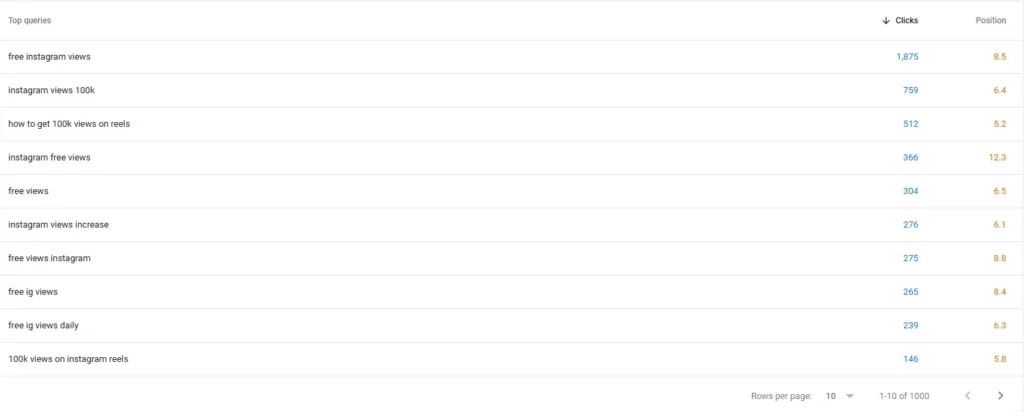
Search engine positioning helps your page appear higher in the SERPs by focusing on relevant keywords, improving content quality, and creating a smooth user experience (UX).
And as we said before, pages that secure higher positions naturally get more clicks.
2. More organic traffic
Strong rankings bring more organic visitors to your website.
Search engine positioning works as a cost-effective and long-term way to attract potential customers. Unlike pay-per-click (PPC) advertising, organic traffic doesn’t charge you for every click or impression.
Not every visitor converts immediately. But with the right placement, you can reach people with different search intents, showing them content tailored to their needs:
- Navigational: The user wants a specific page or brand
- Informational: The user needs knowledge on a topic
- Commercial: The user is comparing products or services
- Practical: The user wants to buy a specific item
This approach builds trust and helps them move naturally through their purchasing journey.
3. Competitive Advantage
No matter how small or niche your market is, you’re still competing with businesses targeting the same audience. And only one site can get the top ranking for a keyword.
Continuously improving your search engine positioning gives you an advantage over brands that ignore this. When your pages rank higher, people are more likely to choose your website over competitors.
Take an example: A dry ice supplier serving a specific region may face less competition. To become a top local choice, it can enhance its services page with keyword-focused information such as:
- Service highlights
- Step-by-step ordering
- Pricing and payment details
- Quality assurance
- Delivery instructions
- Safety notes
- Customer reviews
- Contact details
- FAQs
- Clear calls to action
Using the right keywords and providing real value will help this business rise above competitors with weak or thin pages.
Another example: Imagine that you run an online store that sells Nike “Panda Dunks,” which are in high demand. The competition here is fierce.
Your Panda Dunks category page should stand out from the competition. Perhaps the others lack reviews, FAQs, or fast loading speeds.
So you optimize your page to include these elements and move ahead of them in search rankings.
4. Better Brand Recognition
Publishing content that reflects experience, expertise, authority, and trustworthiness (E-E-A-T) builds stronger credibility with both Google quality raters and users. This indirectly supports better visibility.
Maintaining top positions over time also strengthens your brand name. When people repeatedly see your site appear first in relevant searches, they begin to trust your brand more – which often influences purchasing decisions.
Also Read: What Is SEO Meta? How To Create a Meta Description for SEO
How Does Search Engine Positioning Work?
Search engine positioning focuses on helping individual pages on your website rank for specific keywords. The idea is to make each page dominate the words it targets. You do this by understanding how to reach the top positions for those keywords and planning your approach in advance.
Google determines which pages appear at the top of the SERPs based on several important factors. Some key points include:
- Keywords used naturally on the page
- How many visitors stay and interact with the page compared to those who leave quickly
- Websites linking to your page or domain (and how strong or trustworthy they are)
- Whether the content is suitable for the featured snippet
- How quickly the page loads and how smoothly it functions
- Whether the website is secure
- How close the user is to the business (for local search)
With proper planning, you can improve most of these factors.
To make search engine positioning work well, follow these steps:
- Decide which pages you want to highlight
- Choose keywords that match each page
- Check if the keywords have enough search power
- Understand the intent behind each search term
- Study the top-ranking pages and SERP elements
- Optimize your content for keywords, intent, and SERP features
Below, you will explore each of these search engine positioning methods in detail.
Tips for Improving Your Search Engine Rankings
My team and I use search engine rankings frequently on the Neil Patel Blog. We track our page rankings and regularly update content to make sure everything is performing well. Because of this, we know what works and can guide you with simple steps to improve your search engine rankings.
1. Isolating Target Pages

Start by selecting pages that can give you quick results.
Focus on pages that:
- Run to the second page but can reach the first page.
- Run to the first page and can move into the top three.
Think about evergreen guides or important product pages. Use Google Search Console or Ubersuggest to check rankings and choose the right keywords.
2. Refresh your existing content
After you’ve selected your pages, update the content with fresh, useful information. Google rewards clear and valuable pages, so refreshing helps both rankings and readers.
When updating:
- Remove broken links.
- Fix outdated information.
- Improve readability.
- Add relevant keywords.
- Update images and alternative text.
3. Optimize internal links
Good internal links help users discover more pages and help search engines crawl your site faster.
To improve:
- Link to pages that need a boost.
- Use meaningful anchor text.
- Avoid too many links.
- Add new links to old posts.
You may also like: On-Site SEO vs Off-Site SEO: Difference And Tips? Why You Need Both
4. Improve organic CTR
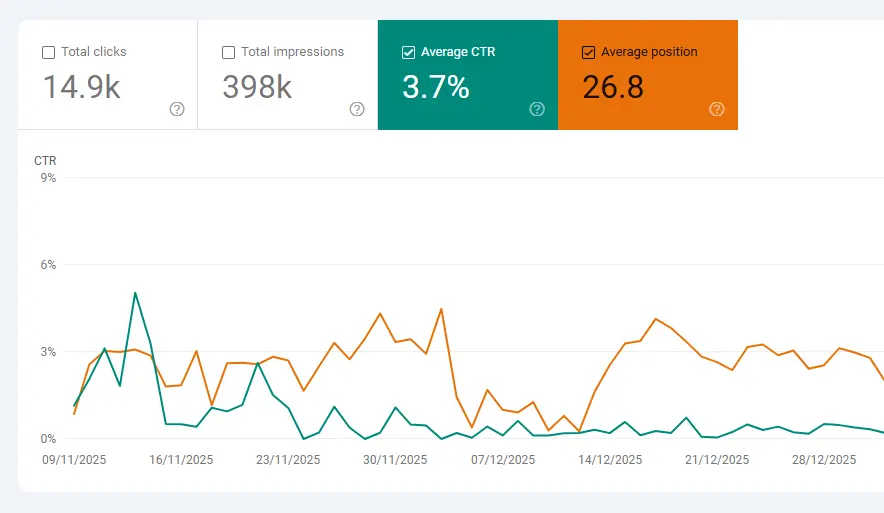
Make your title tags and meta descriptions more compelling. They determine whether users click on your results or not.
Tips:
- Write unique, short titles and descriptions.
- Add natural keywords.
- Include short calls-to-action.
5. Improve your backlink strategy
Backlinks still play a major role in ranking. High-quality links act as a trust signal. Backlink monitoring ensures that your links remain active and authoritative over time.
You can:
- Create strong content that others want to link to.
- Reach out to websites that link to your competitors.
Get a large number of quality backlinks.
6. Measure your efforts
Track your progress with Google Search Console, Ubersuggest, Ahrefs, or Semrush.
If rankings don’t improve, adjust your content and focus more on what your audience wants.
Search Engine Positioning vs. SEO: Learn the Simple Difference
Search engine optimization and SEO are related, but they don’t mean the same thing.
Key Idea
SEO works as a comprehensive plan to increase your website’s visibility on search engines. It improves your entire website and focuses on several areas, such as:
- Finding the right keywords
- Writing helpful content
- Organizing website pages
- Improving the user experience
- Improving website speed
- Helping visitors take action
For example, imagine that you sell sportswear. With SEO, you create many types of content. You add product pages, customer reviews, and blog posts about fitness and fashion. This way, more people find your site, and they trust it as a good place to shop.
Search engine optimization works a little differently. It focuses on one page at a time, rather than the entire website. Its goal is to bring that one page up in search results.
Using the same example, search engine positioning means that you choose a single page, such as the workout shorts page. You can improve that page by adding the right keywords, useful details, links to similar products, and a fast loading speed. You do this to help that page rank better for workout shorts searches.
Further Reading: 25 Examples Of Bad Websites: List of Worst Websites in 2026
Timeline
SEO works as a long-term plan. It helps improve the quality, relevance, and ranking of your website over time. Google also explains that SEO typically takes four months to a year to show strong results.
With search engine positioning, you can see a change in position within a few days after Google indexes your pages. Sometimes, it can take a few weeks or even a month.
This doesn’t mean that your page will jump to the top immediately. However, when you change or improve a page, you can often see small effects within a few days.
You can speed up this process by asking Google to re-examine your page using Google Search Console.
To do this, open Search Console and paste your page URL into the search box at the top.
Press the Enter key, and the tool will show you whether Google has indexed your page or not.
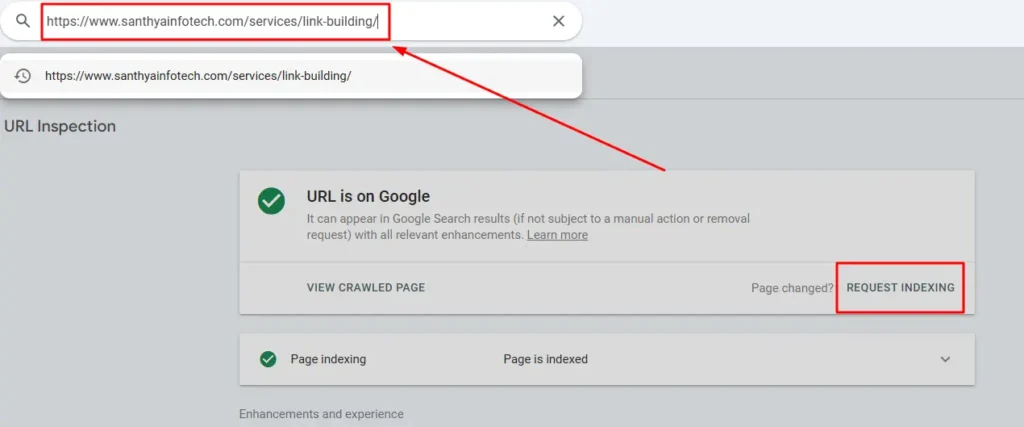
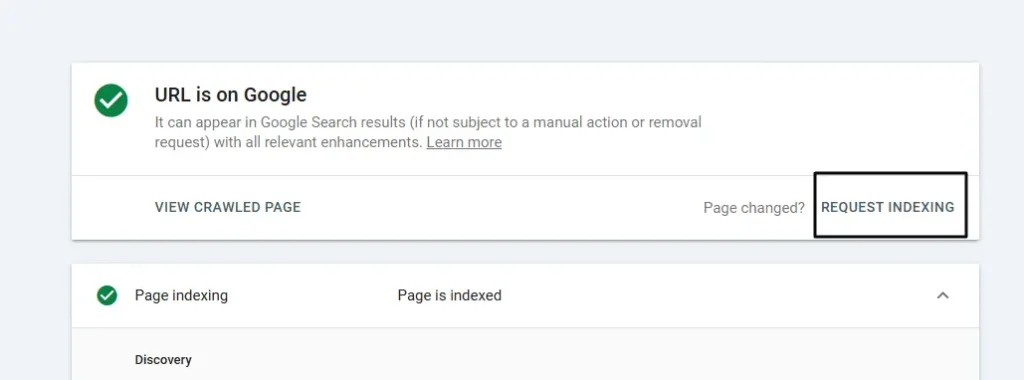
If Google has already indexed the page, you can still click “Request Indexing.” This tells Google that you have updated the page and want to recrawl it.
Final Thoughts
In today’s competitive online environment, strong search engine rankings have become extremely important. Building a strong website requires people to find what you’re trying to do. Whether you’re running a small setup or a large company, choosing the right SEO experts can greatly improve your online reach.
As search engine rules change, so must your methods. Be vigilant, maintain quality, and rely on clear data to maintain your position at the top of search results. Your audience is already looking for services like yours – make sure your business appears where they expect to be found.
Read More: Are HTML Tables Good or Bad for SEO? A Complete Guide to Table Optimization
FAQs: Questions & Answers
SEO helps improve your entire website so that more people can find it online. Search engine positioning focuses on placing a page higher in search results for a specific term. Positioning works as a small part of SEO and helps pages appear in better places.
Most websites see changes for popular keywords in about 3 to 6 months. Easy keywords can show results in a few weeks. Difficult keywords take longer and may require 6 to 12 months of regular work.
Anyone can start by writing good and useful content. But strong results require technical work such as fast pages, clean website structure, and proper data setup. An expert SEO agency can handle this task properly.
You should check your rankings every week to see small changes. Do a full website review every three months to fix problems and plan better actions.
Google checks your mobile website first when giving page rankings. If your site doesn’t work well on phones, it can lose rankings and visitors. A mobile-friendly site helps you reach more users easily.
Search engine placement refers to the specific position a webpage occupies on the SERPs for a specific search term or query. It shows how a page ranks compared to competing pages when users search for related keywords or phrases.