
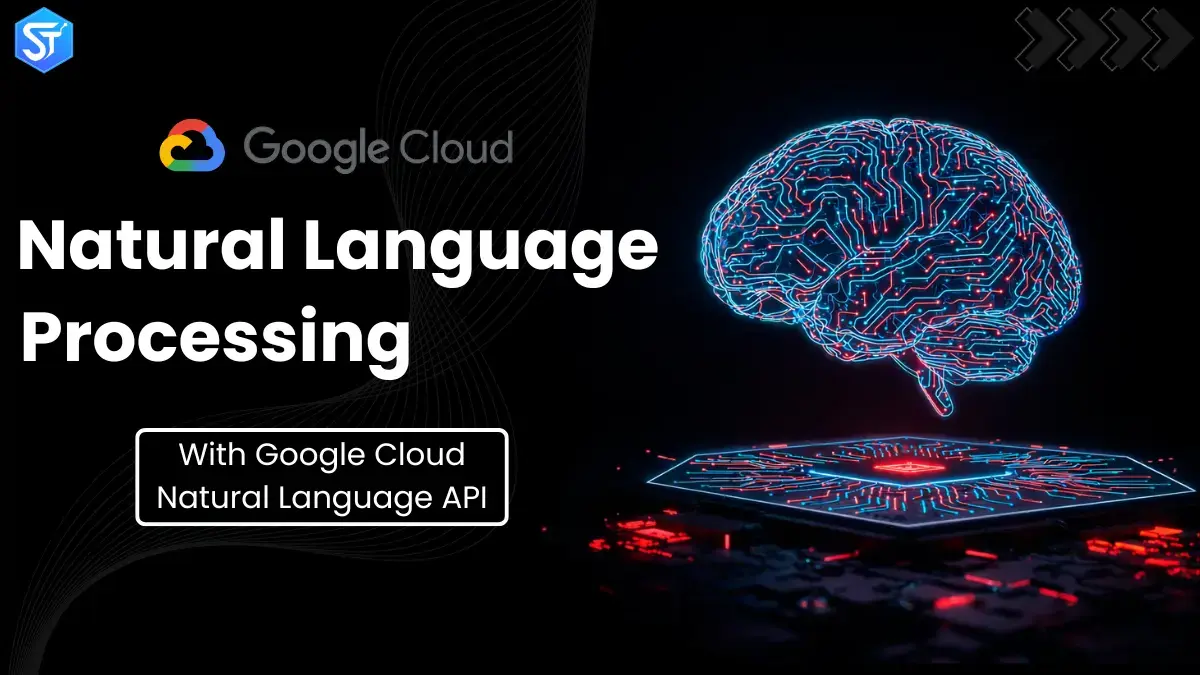
Google Natural Language API helps people understand text in a smart way. It uses ready-made language models to find feelings, names, topics, and sentence structure in written content. This tool sends text to the API and then gets back clear results about what the text means.
Google runs this Cloud Natural Language API as a paid service. It works under Google Cloud’s rules and terms. You can check the price details on Google’s help and support pages. Right now, the API works with many methods and supports different languages.
Helpful Links
If you are new to natural language processing or feel confused by the results, these guides can help you understand better:
- Natural Language API basics
- Word structure and sentence linking
- HTTP status and JSON error codes
Requirements
To use this component, you need a valid Google Cloud API key. The Natural Language API must be turned on for that key. The API has daily usage limits, so setting the right limit is very important. To handle time delays, the system tries again up to 10 times using a smart retry method. If all retries fail, such as when the daily limit is over, the component stops working.
What Is Google NLP Algorithm?
Google NLP algorithms help Google understand search questions in a more human way. These systems try to read words like people do. They look at meaning, tone, sentence style, and the full idea, not just single words. This helps Google show better and more useful results.
Google has used NLP technology since 2011. But in 2019, it became a big part of Google Search with an update called BERT. After this update, Google started understanding full sentences much better. Google NLP research works across many languages and topics. These systems are used in search results, mobile apps, ads, translation tools, and many other Google services.
BERT works on a special Transformer-based neural network model made by Google. In simple words, Google does not judge content by matching exact words. Instead, it tries to understand the meaning of the full sentence. Then it checks if the content answers the question better than other pages already ranking at the top.
Google Cloud Natural Language API Features
Google Cloud Natural Language API gives helpful tools to work with normal text. It helps computers understand human language in an easy and smart way. Like many other REST APIs, it uses JSON format to send and receive data. This API reads text and explains what it means. Below are the main things this API can do.
Sentiment analysis
When someone writes a review, we can feel if the person feels happy, sad, or angry. Sentiment analysis works like this for computers. This API reads the text and checks the feeling behind it. It gives a score that shows if the text feels good or bad. It also gives a number between 0 and 1 to show how strong the feeling is. This helps you quickly know the mood of the full text.
Entity analysis
When we read news or stories, we can easily spot names of people, places, or brands. Computers need help to do this. Google Cloud Natural Language API already learns this skill. It finds important words like names, cities, companies, and products from the text. It also gives each item a score to show how important it is. This feature works well for documents like invoices, contracts, and reports.
Entity sentiment analysis
This feature mixes entity analysis and sentiment analysis together. It shows how people feel about each item in the text. The API finds an item, checks the feeling linked to it, and then gives a clear score. This is very useful when you read many reviews and want to know what people like or dislike about a product or part of it.
Syntax analysis
To understand language, a computer must know how sentences work. Syntax analysis helps with this task. It splits the text into sentences and words. Then it marks each word as a noun, verb, or other type. It also shows how words connect inside a sentence. This helps the computer understand sentence structure and meaning.
Content classification
This API can also group text into categories. It uses a ready system to place content into big topics and smaller topics. For example, a blog about painting or music can go under arts. This feature helps keep content neat, sorted, and easy to manage.
Continue Reading: 6 Best Email Scraping Tools You Should Try In 2026
How Google Cloud Natural Language Works
When you send your text to Google Cloud Natural Language API, it does more than just look at words.
It reads the text, breaks it into parts, and understands the meaning almost like a human brain, but much faster.
This is how it works step by step:
Step 1: Breaking Words (Tokenization)
First, the system breaks your text into small pieces.
These pieces are called tokens.
A token can be a word, a number, or even a symbol like a comma or full stop.
Step 2: Sentence Checking (Syntax Analysis)
Next, the API checks how the words connect with each other.
It finds which word is the subject, which is the action, and which is the object.
This helps the system understand the sentence structure clearly.
Step 3: Finding Important Names (Entity Recognition)
Now, the system looks for important things in the text.
It finds names of people, places, brands, dates, or products.
If possible, it also matches them with Google’s Knowledge Graph to get better meaning.
Continue Reading: How To Increase More Views on Instagram Reels (2026 Easy Tips)
Step 4: Feeling Check (Sentiment Analysis)
After that, the API checks the feeling of the text.
It understands if the text sounds happy, sad, or normal.
It checks both the full text and each sentence to get accurate emotion results.
Step 5: Topic Sorting (Content Classification)
Finally, the system understands what the text is about.
It puts the content into topics like technology, sports, health, or business.
This helps computers know the main idea of the text quickly.
Google Natural Language API
Google Natural Language API is a simple tool that helps people understand text using smart computer models. Google already trains these models by reading a very large amount of text from many sources. Because of this, the tool works well when the language is common and easy, not strange or confusing.
This API helps with many language tasks like understanding meaning, finding emotions, and reading sentences correctly. Users do not need to build or train their own model. They can start using the API right away and get results quickly.
The biggest benefit of this tool is that it saves time and effort. There is no need for training data or long setup. This is very helpful when people do not have enough labeled data or do not know much about machine learning.
You may also like: Is YouTube a Social Media Platform? Everything Explained
Final Thoughts
Natural Language Processing is a big step forward in technology. It is a part of computer science, and AI brings many changes to the SEO world. NLP helps computers read, understand, and use human language in a better way.
Google’s latest NLP update, called SMITH, makes search results better for users. This update helps Google show the right pages to the right people. That is why NLP is very important for any SEO plan. When search engines understand what people are really asking, they can show websites that give the best answers.